


Modern IT environments have expanded beyond traditional office-based device lists. Organisations now manage a constantly shifting mix of hardware, cloud assets, virtual machines, software licences, and remote endpoints. As the volume and variety of assets increase, manual tracking quickly becomes unreliable and resource-heavy. This is where automation reshapes the asset management process offering accuracy at scale, continuous visibility, and sharper decision-making.
For businesses strengthening their asset management foundations in the UK, automation provides the structure and intelligence required to maintain clarity in complex operational landscapes.
Why automation has become essential to modern asset management
In dynamic IT ecosystems, asset data is updated frequently installations change, configurations evolve, contracts expire, and usage patterns shift. Even small inaccuracies can lead to overspending, compliance issues, or performance gaps.
Automation directly addresses these challenges by:
- Consolidating asset data across multiple environments
- Automatically syncing updates the moment changes occur
- Reducing administrative workload and human error
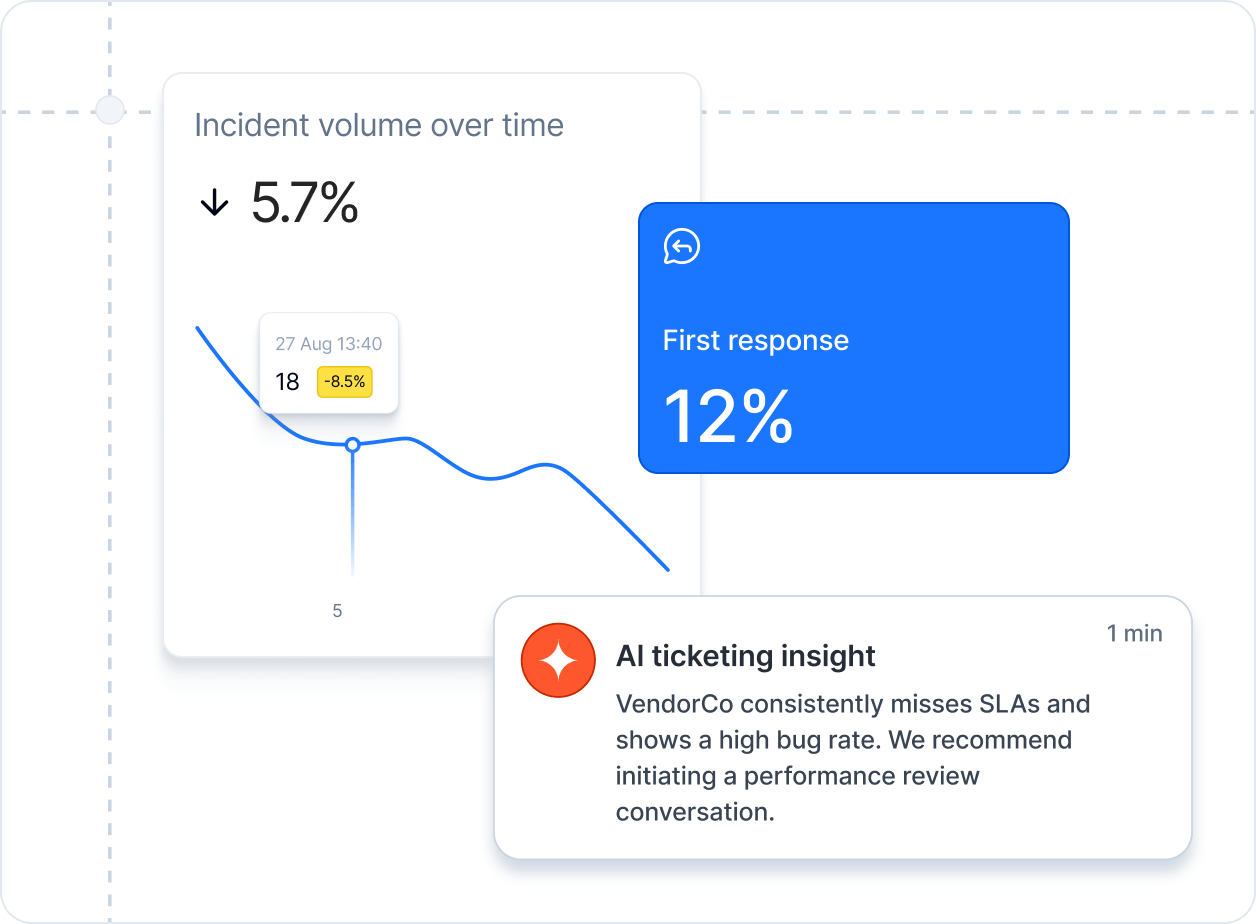
- Providing intelligent insights driven by AI and analytics
- Supporting long-term lifecycle planning with dependable data
This gives IT teams the clarity they need to make strategic decisions without relying on guesswork or outdated records.
How automation enhances accuracy across the asset management lifecycle
1. Unified visibility across hybrid and remote environments
Automation brings all assets on-premise, cloud-based, or remote into one centralised dashboard. Instead of tracking spreadsheets or relying on manual audits, systems automatically detect new assets, confirm ownership, update configuration details, and flag discrepancies. This level of visibility is crucial for organisations managing distributed workforces and hybrid architectures.
2. Precision through automated data synchronisation
Whenever a device is reallocated, retired, patched, or reconfigured, automated asset tools update the inventory instantly. This prevents mismatches between what IT thinks exists and what is actually running. The result is a living asset inventory accurate to the minute and aligned with real-world usage patterns.
3. Intelligent lifecycle mapping and predictive alerts
AI-powered automation tracks lifecycle stages more precisely than manual processes. Tools can identify when assets are approaching capacity limits, nearing replacement windows, or experiencing unusual performance activity. Predictive alerts help teams intervene early, reduce unexpected failures, and plan budgets with greater confidence.
4. Automated compliance control and licence governance
Automation plays a major role in ensuring licence accuracy and compliance alignment. Tools automatically monitor contract terms, licence distribution, renewal dates, and usage thresholds. They also detect unauthorised installations or under-utilised licences that may be wasting spend. This reduces audit risks and keeps governance standards consistent.
5. Reduced operational risk through continuous monitoring
When asset updates depend on manual intervention, errors accumulate over time. Automated monitoring eliminates these gaps by continuously checking asset status, configuration drift, patch levels, and integration health. Any irregularities are highlighted instantly, allowing teams to resolve issues before they disrupt wider operations.
6. Stronger collaboration between it, procurement, and security teams
Automation ensures all departments operate with the same accurate, real-time data. Procurement teams can track inventory health for smarter purchasing decisions, security teams gain visibility into vulnerable endpoints, and IT operations can coordinate upgrades with minimal disruption. This shared ecosystem reduces silos and improves cross-functional planning.
FAQ
How does automation improve the asset management process?
Automation enhances accuracy by eliminating manual entry, continuously updating data, and providing real-time visibility into all assets.
Why is automated asset discovery important?
It ensures every asset is identified and tracked from the moment it connects to the network, helping prevent blind spots and security risks.
How does AI support asset lifecycle management?
AI evaluates performance trends, predicts replacement timelines, and helps teams plan upgrades before issues occur.
Can automation reduce asset management costs?
Yes. By improving accuracy, preventing unused licences, and enabling smarter purchasing, automation significantly reduces operational costs.
Conclusion
Automation elevates the entire asset management process ensuring that data remains accurate, inventories stay current, and lifecycle decisions are grounded in measurable insights. As organisations continue to expand their digital ecosystems, automation provides the structure, intelligence, and consistency required for confident asset governance. By replacing manual tracking with automated accuracy, IT teams can focus on strategic improvements rather than administrative tasks.