


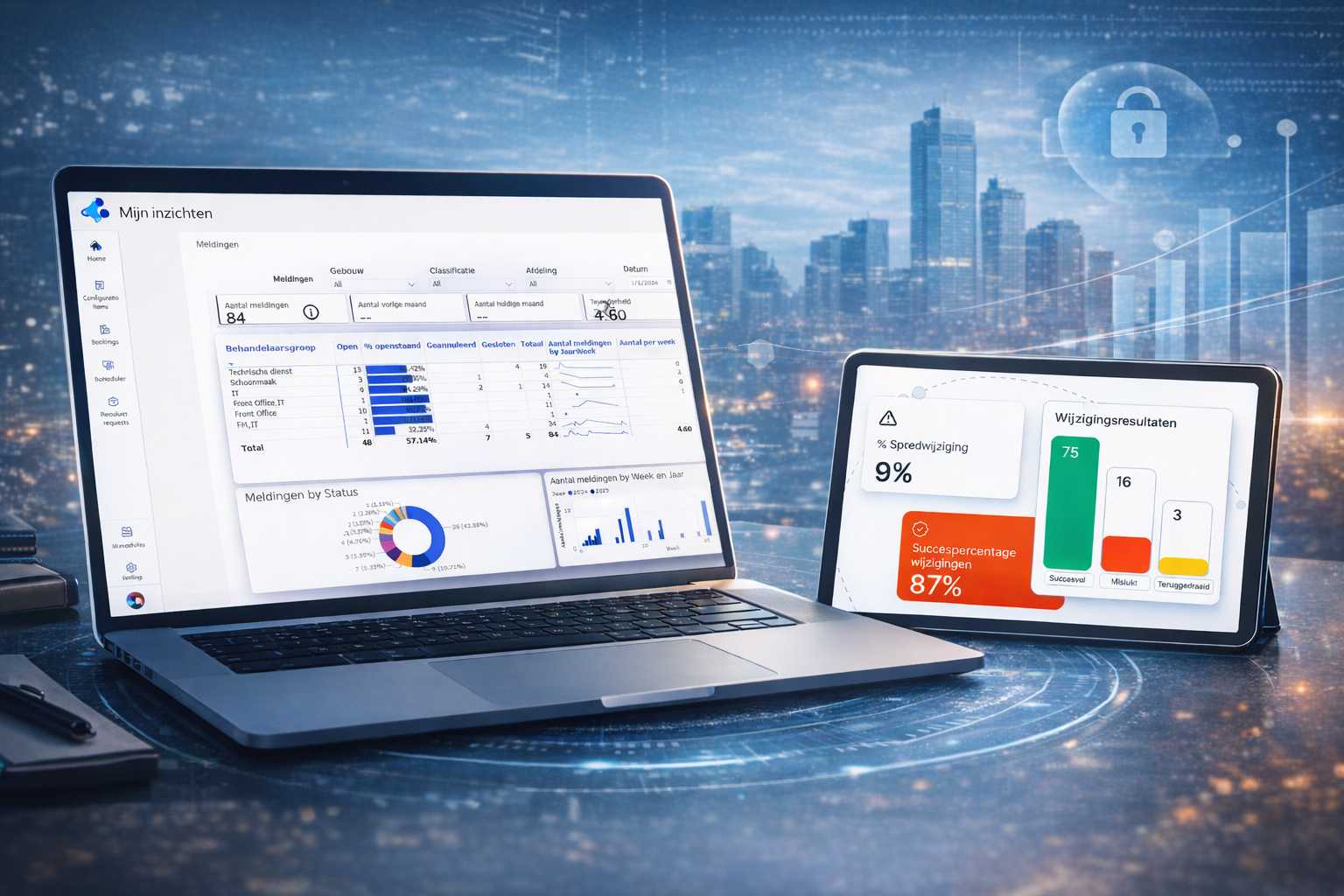
In today’s digital-first environment, businesses rely heavily on efficient IT systems to maintain productivity and deliver seamless services. Managing IT operations manually is no longer sustainable, especially as organizations scale and technology becomes more complex.
This is where IT service management software plays a critical role. From handling service requests to managing IT assets and automating workflows, ITSM platforms help businesses streamline operations and improve overall efficiency.
Companies operating in fast-growing business hubs like London, Manchester, and Birmingham are increasingly adopting modern IT management tools to stay competitive and future-ready.
Best IT Service Management Software
The best IT service management software helps businesses automate IT workflows, manage incidents, track assets, and improve service delivery. Platforms like Gfacility provide scalable, user-friendly solutions designed to optimize IT operations and support business growth.
What Is IT Service Management Software?
IT Service Management (ITSM) software is a platform that enables organizations to manage, deliver, and optimize IT services through structured processes such as incident management, asset tracking, and workflow automation.
It acts as a centralized system where IT teams can monitor performance, resolve issues efficiently, and ensure smooth service delivery across departments.
Why Businesses Need ITSM Software in 2026
With increasing reliance on digital infrastructure, businesses face growing challenges such as system downtime, security risks, and operational inefficiencies.
Here’s why adopting IT service management platforms is essential:
- Faster Issue Resolution – Automated ticketing systems reduce response time
- Improved Productivity – Eliminate repetitive manual tasks
- Centralized Operations – Manage all IT processes in one place
- Scalability – Easily adapt to growing business demands
- Better User Experience – Provide faster and more reliable support
Organizations across competitive markets are leveraging IT operations management tools to improve service quality and reduce costs.
Key Features to Look for in IT Service Management Software
Choosing the right ITSM solution requires understanding the features that truly impact performance.
1. Incident and Problem Management
Efficiently track, prioritize, and resolve IT issues to minimize disruptions.
2. Change Management Software
Implement system changes with reduced risk and improved planning.
3. Asset Management Process
Manage IT assets, including hardware and software, throughout their lifecycle.
4. Automation and AI Capabilities
Automate repetitive tasks and gain insights using AI-driven analytics.
5. Self-Service Portal
Allow users to resolve common issues independently, reducing IT workload.
6. Reporting and Analytics
Generate insights to improve decision-making and optimize performance.
Top IT Service Management Trends in 2026
Technology is rapidly evolving, and ITSM platforms are adapting to meet new demands.
AI-Powered Automation
Businesses are adopting AI to automate ticket resolution, detect issues proactively, and improve efficiency.
Cloud-Based ITSM Platforms
Cloud solutions offer flexibility, scalability, and remote accessibility, making them ideal for modern organizations.
Predictive Analytics
Advanced analytics help identify potential issues before they impact operations.
Remote IT Support
With hybrid work environments becoming standard, remote IT support tools are essential.
Companies in major commercial centers are already implementing these innovations to stay ahead in competitive industries.
How ITSM Improves Business Efficiency
Implementing IT management tools can transform how businesses operate.
Streamlined Workflows
Automation reduces manual processes and improves operational efficiency.
Reduced Downtime
Faster issue resolution minimizes disruptions and ensures continuity.
Improved Collaboration
Centralized systems enhance communication between teams.
Better Compliance
Track and manage IT processes to meet regulatory requirements.
Enhanced Customer Experience
Faster response times lead to higher satisfaction levels.
For businesses operating in fast-paced environments, these improvements directly contribute to growth and profitability.
ITSM vs Help Desk Software: What’s the Difference?
Many businesses confuse ITSM with traditional help desk software, but they serve different purposes.
- Help Desk Software focuses mainly on handling support tickets and resolving user issues
- ITSM Software provides a comprehensive approach, including asset management, change management, and process automation
While help desk tools are useful, modern businesses require full-scale IT service management platforms to handle complex IT environments.
Why Gfacility Is a Smart Choice for IT Service Management
When selecting the best IT service management software, businesses need a solution that is flexible, scalable, and easy to use. Gfacility is designed to meet these requirements and more.
Key Benefits of Gfacility
- User-Friendly Interface – Easy to implement and use
- Advanced Automation – Reduce manual workload
- Comprehensive Asset Management – Track and manage IT assets efficiently
- Scalable Solution – Suitable for businesses of all sizes
- Cost-Effective – Deliver high performance without high costs
Gfacility helps businesses streamline IT operations, improve efficiency, and achieve better service outcomes.
How to Choose the Right ITSM Software
Selecting the right IT service management platform requires careful evaluation.
To choose the right ITSM software, businesses should assess their requirements, budget, scalability, integration capabilities, and support options. The ideal solution should be flexible, easy to use, and capable of automating key IT processes.
Key Considerations
- Business size and complexity
- Integration with existing systems
- Customization options
- Vendor support and reliability
- Future scalability
Organizations that invest in the right ITSM solution gain a competitive advantage by improving operational efficiency.
Common IT Challenges and How ITSM Solves Them
Challenge 1: Frequent System Downtime
Solution: Automated monitoring and incident management reduce downtime.
Challenge 2: Poor Asset Tracking
Solution: IT asset management tools provide full visibility.
Challenge 3: Slow Response Times
Solution: Automated ticketing systems improve response speed.
Challenge 4: Inefficient Workflows
Solution: Workflow automation streamlines operations.
Challenge 5: Lack of Data Insights
Solution: Reporting and analytics provide actionable insights.
Benefits of IT Service Management Software
Key benefits of IT service management software include:
- Faster issue resolution
- Improved team productivity
- Centralized IT operations
- Better user experience
- Reduced operational costs
- Enhanced reporting and compliance
Future of IT Service Management
The future of ITSM lies in automation, intelligence, and integration. Businesses are moving towards fully automated ecosystems where IT processes require minimal human intervention.
Emerging technologies such as AI, machine learning, and advanced analytics will continue to shape IT service management, making it more efficient and predictive.
Organizations that adopt these innovations early will gain a significant advantage in their industries.
Conclusion
Investing in the right IT service management software is essential for businesses aiming to optimize operations and improve service delivery. With increasing complexity in IT environments, having a centralized and automated system is no longer optional—it’s a necessity.
Solutions like Gfacility provide the tools businesses need to manage IT services efficiently, reduce downtime, and support long-term growth. By adopting modern ITSM platforms, organizations can stay competitive, agile, and prepared for the future.
FAQs
What is IT service management software?
IT service management software helps businesses manage IT services, including incidents, assets, and workflows, in a centralized platform.
What are IT management tools used for?
IT management tools are used to monitor, control, and optimize IT infrastructure and services.
How does ITSM improve efficiency?
ITSM improves efficiency by automating tasks, reducing downtime, and streamlining workflows.
What is the difference between ITSM and help desk software?
ITSM includes a broader range of processes, such as asset and change management, while help desk software focuses mainly on support tickets.