


Modern organisations depend on reliable IT systems to support daily operations, communication, and digital services. As technology becomes more complex, IT teams require smarter tools to manage incidents, automate workflows, and ensure service continuity. This is why selecting the best IT service management software has become a priority for many organisations in 2026.
IT service management platforms help teams manage service requests, track incidents, control changes, and monitor infrastructure through a centralised system. Modern solutions combine automation, analytics, and structured ITIL-aligned processes to improve service efficiency and reduce operational risks.
AI-driven incident management
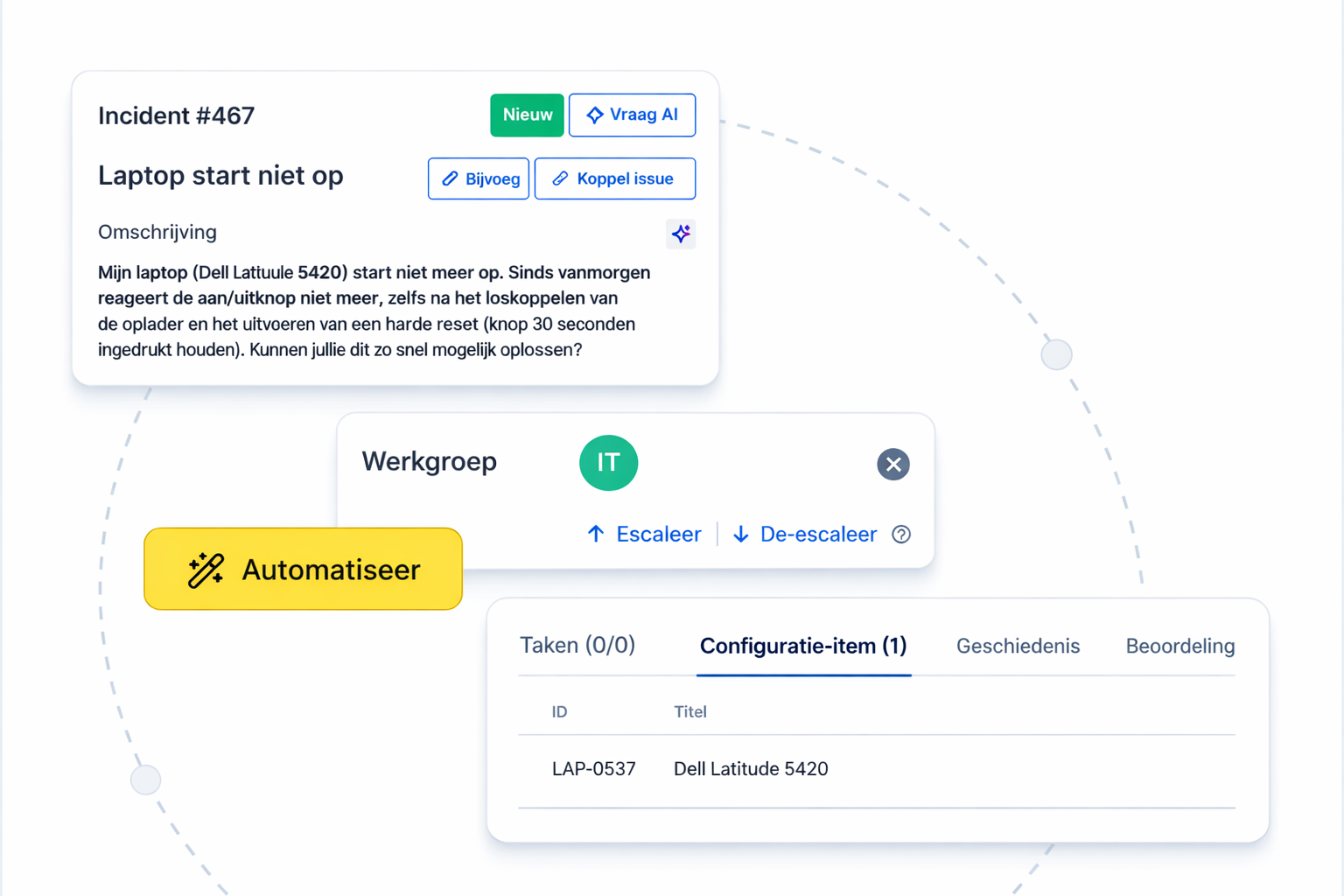
One of the most significant developments in IT service management is the use of artificial intelligence to manage support requests. Instead of manually categorising tickets, advanced platforms automatically analyse incoming requests and route them to the appropriate team.
This approach helps IT departments resolve issues faster while maintaining consistent service levels. AI-driven ticketing systems can also identify patterns in support requests and recommend solutions before issues escalate into major incidents.
Many organisations now search for solutions that answer questions such as what is the best IT service management software for incident management or how automation improves IT support operations. AI-powered systems provide faster response times and help reduce repetitive manual tasks.
Structured change management
Technology environments are constantly evolving, which makes change management an essential part of IT service operations. Introducing updates, deploying new systems, or modifying infrastructure requires a controlled process to minimise disruptions.
Modern IT service management software includes structured workflows that help teams review, approve, and track changes. This ensures every modification is documented and assessed before implementation.
A strong change management system helps organisations maintain stability while still enabling innovation and system improvements.
Problem management and root cause analysis
Resolving incidents quickly is important, but preventing them from recurring is even more valuable. Problem management tools within ITSM platforms help teams identify underlying causes behind repeated issues.
By analysing incident trends and linking related support requests, organisations can uncover patterns that reveal deeper infrastructure problems. Addressing these root causes improves long-term service reliability and reduces the overall number of support tickets.
Many IT leaders researching service management platforms often explore topics such as how problem management works in ITSM or why root cause analysis is important for IT operations.
Self-service portals for faster support
Self-service support has become a standard feature in modern service management systems. Instead of contacting the IT team for every request, employees can access a central portal where they can search for solutions, submit service requests, or track ongoing issues.
A well-structured knowledge base allows users to resolve common problems on their own, such as password resets or software access requests. This reduces ticket volumes while improving the user experience.
Self-service portals also help organisations maintain a consistent support process while providing quick access to technical information.
Asset and configuration management
Understanding the technology environment is critical for maintaining reliable services. Asset and configuration management tools provide visibility into hardware, software, and system dependencies.
An integrated configuration database allows organisations to track infrastructure components, monitor updates, and identify relationships between systems. This visibility helps IT teams respond quickly when incidents occur and ensures that system changes do not create unexpected disruptions.
Real-time service level monitoring
Service level agreements define how quickly IT teams must respond to incidents and service requests. Modern ITSM platforms provide real-time dashboards that allow managers to monitor performance metrics and ensure support teams meet their service commitments.
Automated alerts can notify teams when response times are approaching defined limits, helping them prioritise critical issues before service levels are affected.
This visibility improves accountability and helps organisations maintain high standards of service delivery.
Intelligent automation and AI assistants
Automation is transforming how IT teams manage routine support tasks. Many modern IT service management platforms include intelligent assistants that can respond to common questions, create tickets automatically, and trigger predefined workflows.
These systems act as digital support agents that handle repetitive tasks such as access requests, account updates, and routine troubleshooting steps. By automating these activities, IT teams can focus on strategic initiatives and more complex technical issues.
As automation continues to evolve, organisations increasingly look for ITSM solutions that combine service desk capabilities with advanced AI support.
Unified service management across departments
Another major trend in 2026 is the expansion of IT service management principles to other business functions. Enterprise service management allows organisations to manage requests across multiple departments through a single platform.
Teams such as human resources, finance, and facilities can use the same service workflows, creating a consistent support experience throughout the organisation. This unified approach simplifies operations and improves collaboration across departments.
Integration with business systems
Modern digital workplaces rely on multiple platforms for communication, collaboration, and operations. The best IT service management software integrates easily with these tools to ensure smooth workflows and data sharing.
Integration capabilities allow service management systems to connect with identity management platforms, collaboration tools, and monitoring systems. This connectivity ensures that support teams can manage services from a centralised environment.
Scalability and flexible deployment
Organisations today require systems that can grow alongside their operations. Cloud-based ITSM platforms provide scalable infrastructure that allows businesses to expand services without complex upgrades.
Flexible deployment options and configurable workflows allow teams to customise the platform according to their operational needs. This adaptability ensures that the service management system continues to support business growth over time.
Final Thoughts
Selecting the right IT service management platform is essential for maintaining efficient IT operations. As digital services continue to expand, organisations need tools that provide automation, visibility, and proactive service management.
The best IT service management software in 2026 combines intelligent automation, structured workflows, and integrated service capabilities. By adopting modern ITSM platforms, organisations can improve service quality, reduce operational complexity, and create a more reliable digital environment for employees and customers alike.
FAQs
What is IT service management software?
IT service management software helps organisations manage IT support, service requests, incidents, and infrastructure through a structured platform.
What is the best IT service management software in 2026?
The best ITSM tools include automation, AI ticketing, asset management, and change management features to improve IT service efficiency.
What features should ITSM software include?
Key features include incident management, problem management, change management, self-service portals, asset tracking, and SLA monitoring.
What is the difference between a help desk and ITSM?
A help desk focuses on support tickets, while ITSM manages the full lifecycle of IT services and operations.
How does IT service management improve IT support?
ITSM improves support by automating workflows, tracking service performance, and helping IT teams resolve issues faster.