


Downtime is one of the most expensive problems in modern organisations. Whether it is an application outage, a failed system update, or delayed maintenance, even a few minutes of disruption can impact customer trust, employee productivity, and revenue. As businesses become more dependent on digital services, the need to keep systems running at all times has never been greater.
This is where service automation is transforming how organisations manage IT and facilities. By replacing manual processes with intelligent workflows, service automation helps teams respond faster, prevent failures, and maintain higher levels of uptime across the organisation.
Why downtime happens
Most downtime is not caused by major disasters. It is usually the result of small, everyday issues that are not handled in time. These include delayed incident responses, missed maintenance tasks, untracked changes, and a lack of visibility into assets and systems.
Common causes of downtime include:
- Slow ticket handling and poor prioritisation
- Human error during changes and updates
- Lack of real-time monitoring
- Disconnected tools and data silos
- Overloaded support teams
When problems are handled manually, small issues often grow into major outages.
What is service automation?
Service automation refers to using software to automatically manage service requests, incidents, changes, and maintenance activities without relying on manual intervention. It connects workflows, data, and teams into one intelligent system that can respond instantly when something goes wrong.
Instead of waiting for a person to notice a problem and take action, automated systems can detect, route, and even resolve issues on their own.
How service automation improves uptime
Faster incident response
One of the biggest causes of downtime is slow response. When a system fails, every minute matters. Service automation ensures that incidents are immediately logged, categorised, and routed to the right team.
Automated ticket creation, priority assignment, and alerts mean that no issue sits unnoticed in a queue. This reduces mean time to response and prevents outages from lasting longer than necessary.
Intelligent ticket routing
Manual ticket assignment often leads to delays and misdirection. Service automation uses predefined rules and AI to send each issue to the most suitable technician or team.
This ensures that problems are handled by the right people the first time, reducing back and forth and speeding up resolution.
Predictive issue detection
Modern service automation platforms use data and analytics to identify patterns that indicate potential failures. For example, repeated alerts from a device or declining performance of an application can signal a future outage.
By acting on these early warnings, IT teams can fix problems before they impact users, turning reactive support into proactive maintenance.
Automated maintenance and updates
Routine maintenance is essential for keeping systems stable, but it is often delayed or forgotten when teams are busy. Service automation schedules and executes maintenance tasks such as patching, backups, and system checks without manual input.
This reduces the risk of security breaches, performance degradation, and system crashes that lead to downtime.
Better change management
Many outages happen after poorly planned changes. Service automation improves change management by enforcing approval workflows, risk assessments, and scheduling controls.
Changes are automatically checked against asset data and service dependencies, helping teams avoid conflicts and high-risk deployments that could disrupt critical systems.
Real-time visibility across operations
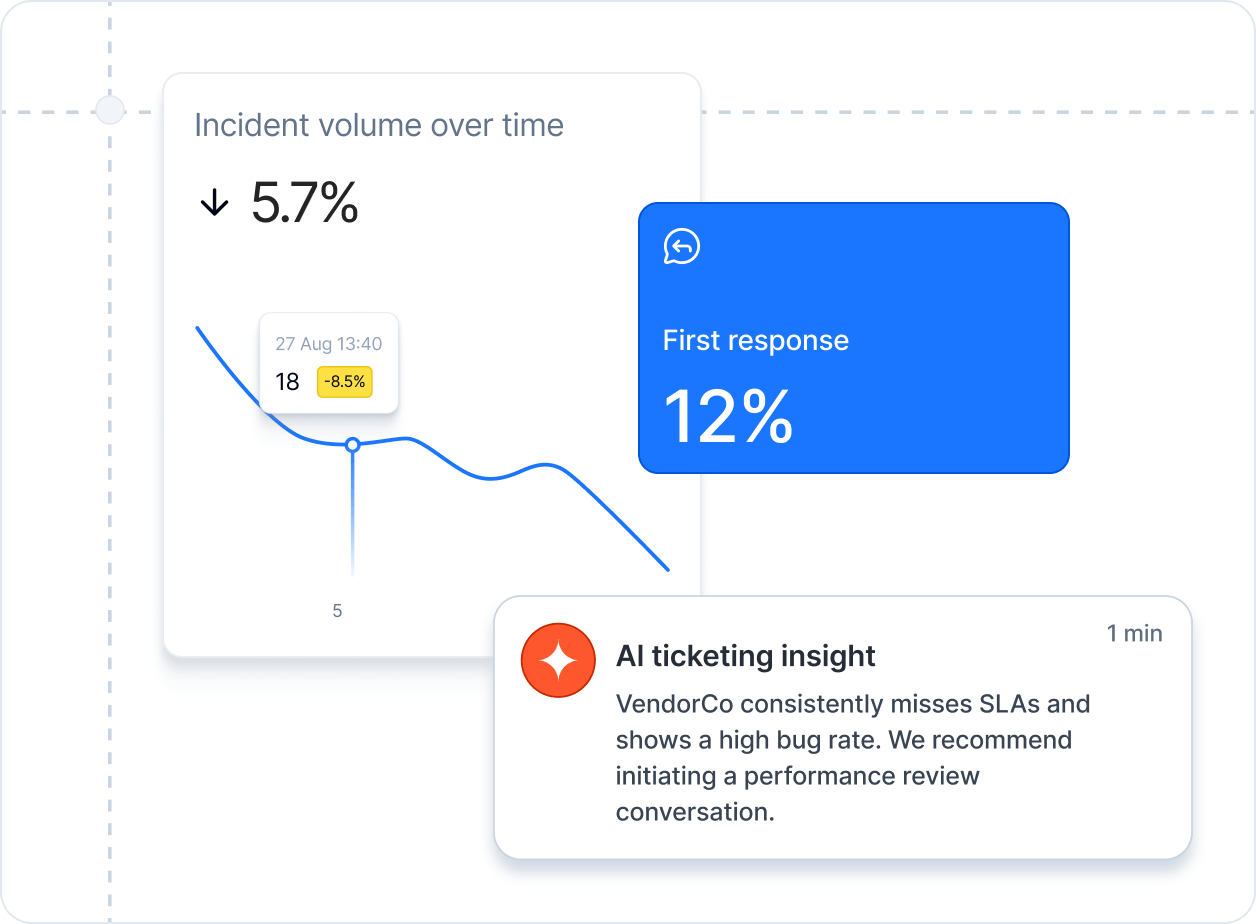
Automated platforms provide dashboards and alerts that show the health of services, assets, and workflows in real time. This visibility allows teams to spot problems early, track resolution progress, and make data-driven decisions to improve reliability.
When everyone can see what is happening, issues are resolved faster and repeated failures are avoided.
Business benefits of reduced downtime
Reducing downtime is not just a technical goal. It has a direct impact on business performance.
Service automation helps organisations:
- Maintain continuous service availability
- Improve employee and customer satisfaction
- Reduce support costs
- Increase productivity
- Protect revenue and brand reputation
Higher uptime means smoother operations and fewer disruptions across every department.
Final thoughts
In a world where digital services power almost every business process, downtime is no longer acceptable. Service automation provides the speed, intelligence, and consistency needed to keep systems running reliably.
By automating incident handling, maintenance, change management, and monitoring, organisations can move from reacting to problems to preventing them. The result is higher uptime, lower costs, and a more resilient business that can grow without interruption.
People also ask
How does automation reduce downtime
Automation reduces downtime by speeding up incident response, preventing human error, and enabling proactive maintenance that stops failures before they happen.
Can service automation prevent system outages
While no system can eliminate all outages, automation greatly reduces their frequency and impact by detecting risks early and handling issues faster.
Is service automation only for IT teams?
No. Service automation is also used in facilities, HR, and operations to manage maintenance, requests, and workflows that affect overall uptime.